What is the situation of child labour in Britain today?
--1--
--2--
--3--
--4--
--5--
--6--
--7--
--8--
Web Scraping
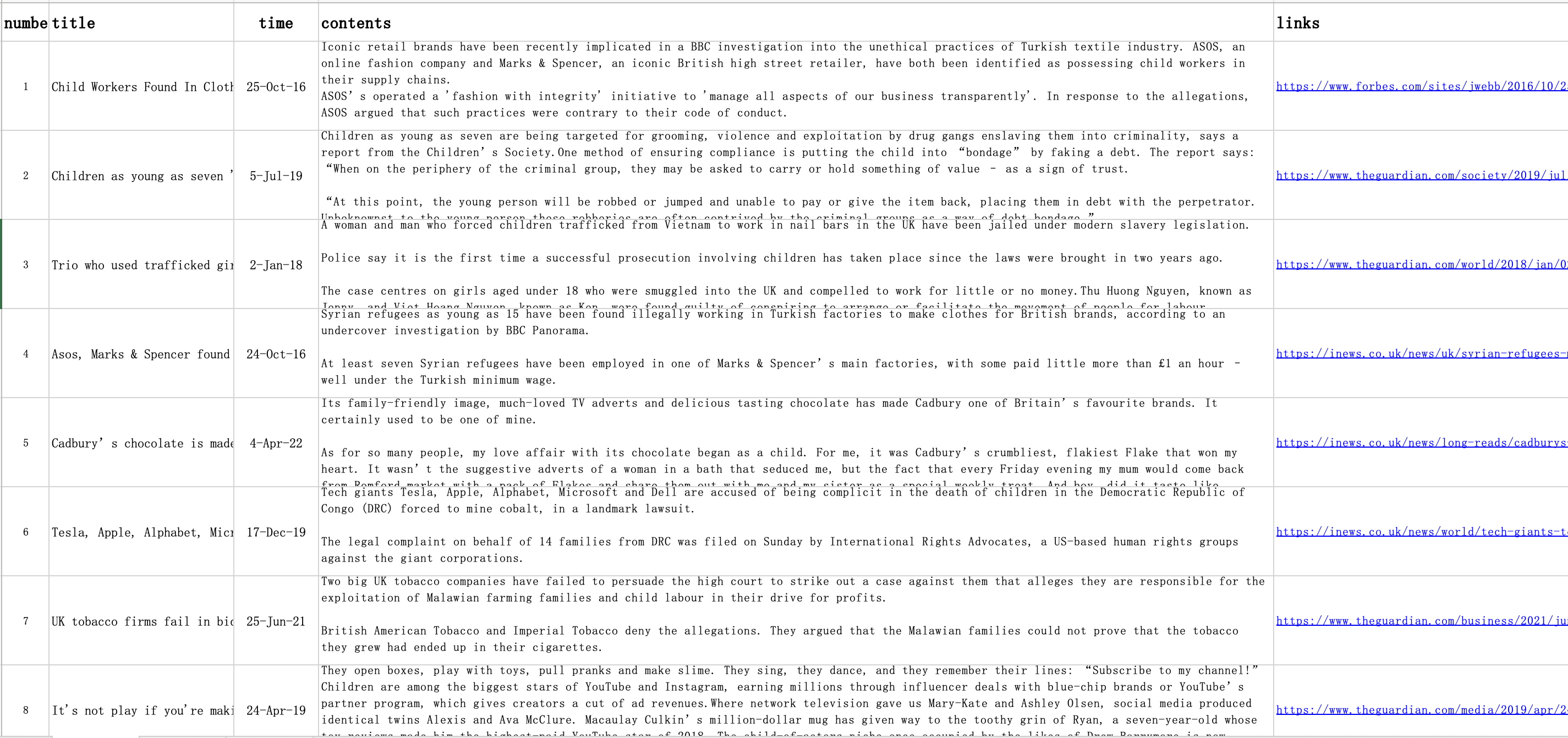
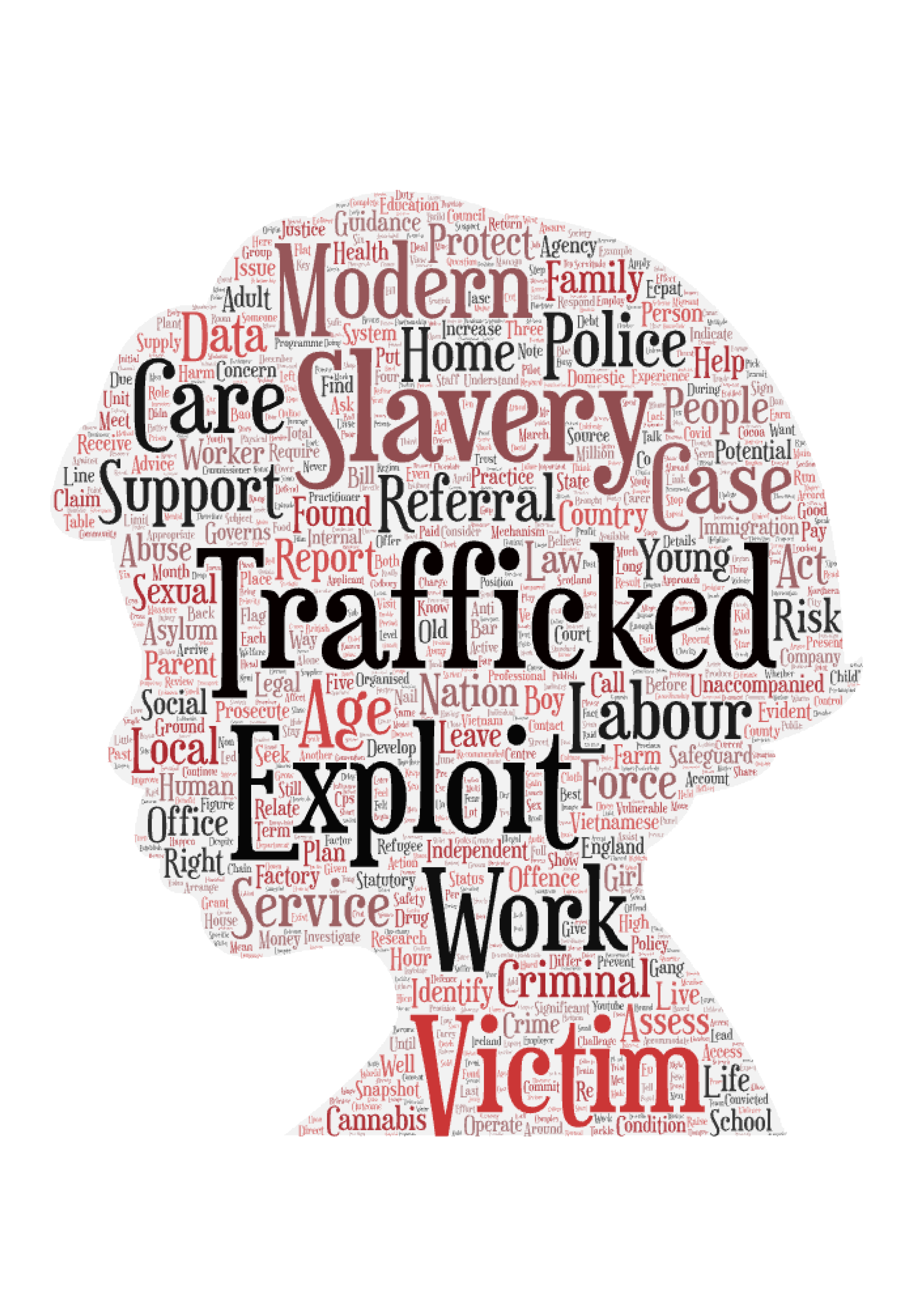
We searched for the keywords “UK” and “Child labour” and collected 20 news articles and cases related to child labour in the UK on the website, generating an image through a word cloud.
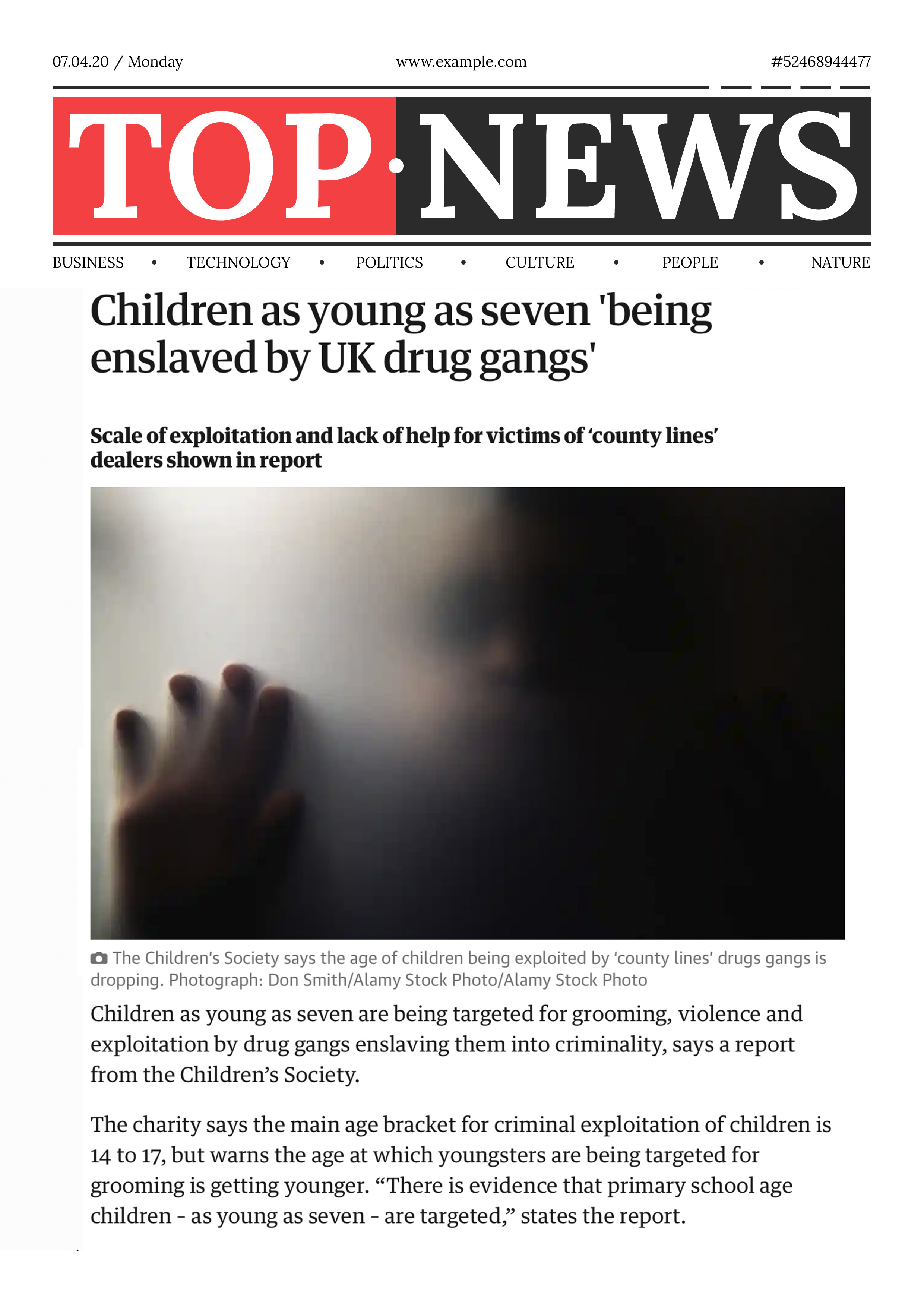
These are the headlines of part of our search for news stories:
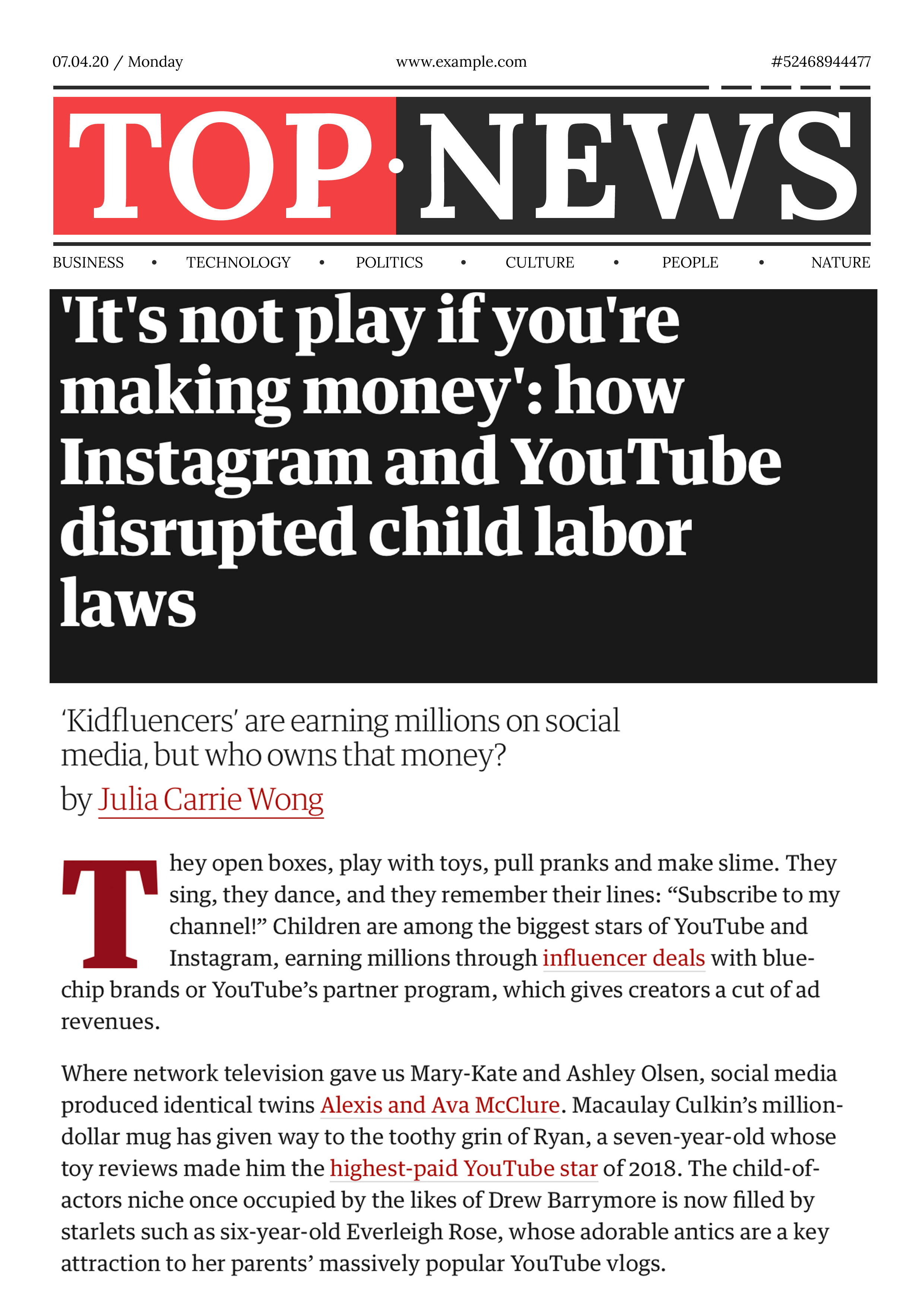
CSC welcomes UK government commitment to tackle modern slavery and child labour(Clark, 2018)
Child victims of modern slavery in the UK: March 2022(Office for National Statistics, 2022)
Children who are Victims of Modern Slavery, Trafficking and Exploitation(Greater Manchester, 2022)
Children from abroad, including victims of modern slavery, trafficking and explanation(Safeguarding Cambridgeshire Peterborough, 2020)
3,000 children enslaved in Britain after being trafficked from Vietnam(Annie Kelly,Mei-Ling McNamara, 2015)
Children lost from care in human trafficking cases, says council(Booth, 2011)
Trafficked and enslaved: the teenagers tending UK cannabis farms(Gentleman, 2017)
David Cameron vows to tackle trafficking of Vietnamese children(Wintour, 2015)
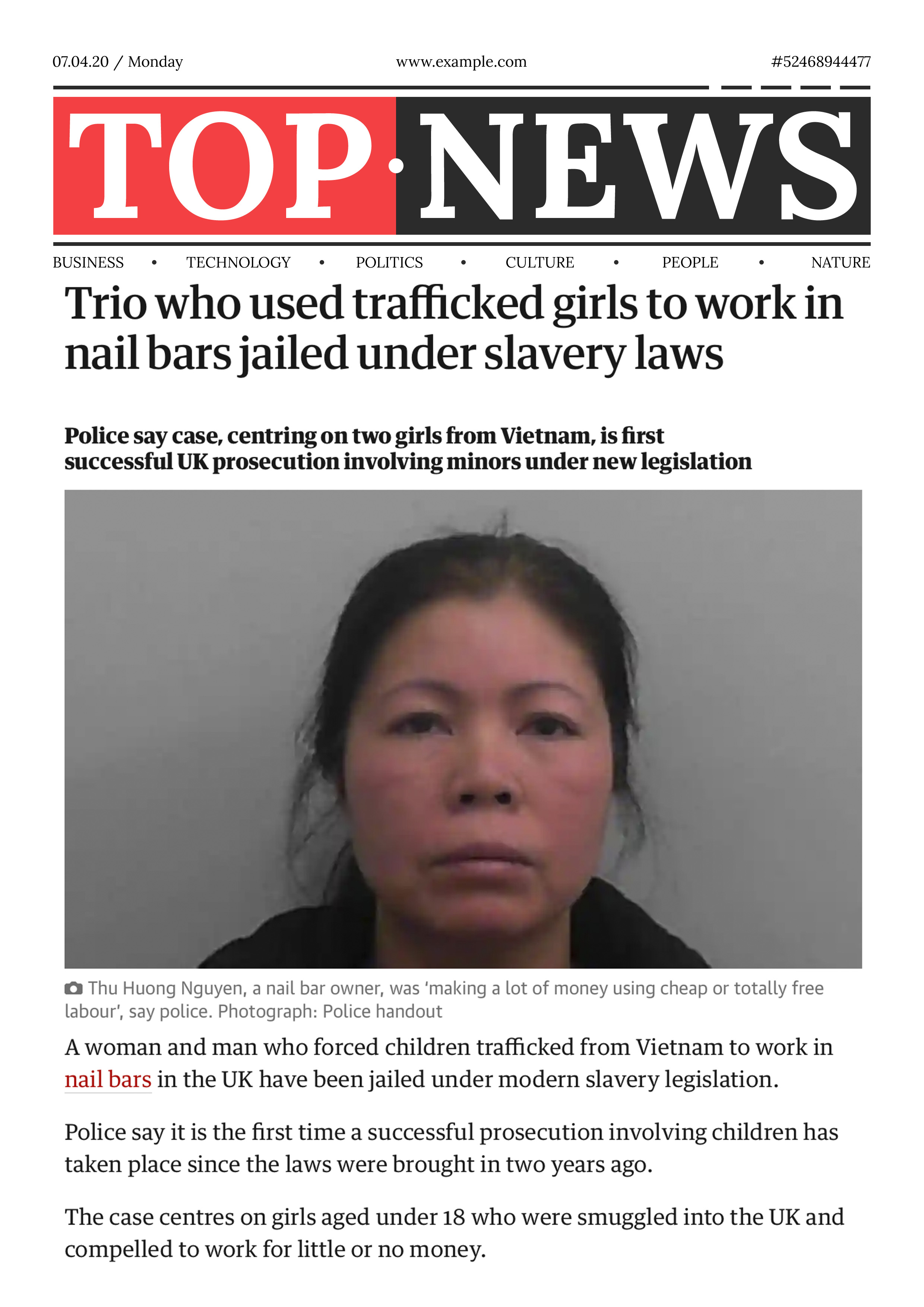
Trio who used trafficked girls to work in nail bars jailed under slavery laws(Morris, 2018)
Visualization of News Title
The titles of these articles contain “trafficking”, “slavery”, and “modern slavery”, and the results suggest a link between child labour and these actions in the UK, which is also consistent with the results of our analysis through the word cloud tool. Next, I will provide an in-depth explanation and analysis of these words. The word cloud ranked the words that appeared in descending order, with the most frequent words appearing in the largest font. We excluded the search terms “UK” and “Child labour”, as well as some prepositions, auxiliaries, and other non-relevant words, and came up with the following results: “Trafficking” was the most frequent word, with 504 times; “Slavery” was the second most frequent word, with 345 times; “Exploit” and “Victim” both appeared more than 300 times; followed by “Modern” and “Work” with two hundred times and they are the fifth and sixth most frequent words.
Word Cloud
“Trafficking” and “slavery” suggest that most child labourers are illegally trafficked from other countries to the UK and enslaved to force them to work. “Exploit” and “Victim” show that child labourers are exploited as victims in the labour process, with little or no wages paid. “Modern” and “Work” describe that in modern times, many child labourers and workers are illegally oppressed and enslaved, who are forced to work, lose their freedom and have no guarantee of their physical or mental health, this is known as modern slavery. The occurrence of these high-frequency words is all highly relevant to the phenomenon of child labour in the UK and can reflect the reasons for the emergence of child labour and the current state of life in modern Britain, which makes a huge contribution to our research theme.
Why are “Trafficking” and “Slavery” the most frequent words? Our research has revealed that many illegal groups smuggle and traffic children from poor areas into the UK where they are enslaved and forced to work. Even though the laws protecting child labour in the UK are well established, many people take the risk of illegally employing children in factories and small businesses, causing great harm to children's development and psychological well-being(Guardian, 2017)(Independent Anti-Slavery Commissioner, 2021).
Part of the reason these child labourers were trafficked to the UK is that these developing countries do not prioritise child labourer education. Many children lack access to sufficient educational chances and resources in several developing nations, where educational circumstances are also generally poor. As a result, some kids enter the workforce without receiving a sufficient education, lacking the requisite skills and information, and are open to fraud and abuse(KUROSAKI et al., 2006), thus being trafficked to the UK.
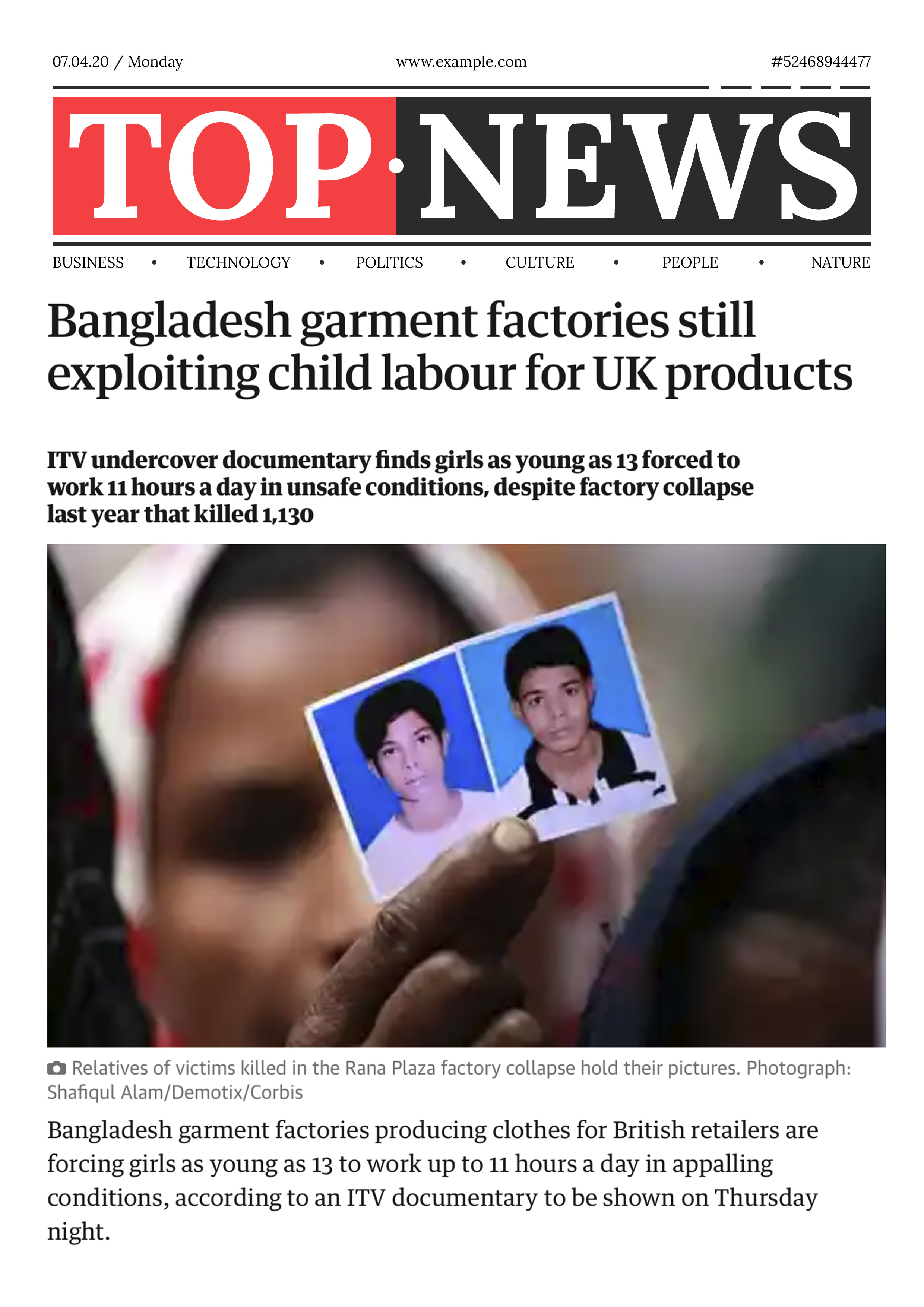
When we were gathering news, we found that there was a lack of cases and news about child labour in the UK, with more news stories being reported from Asia and Africa. To find out the reason, we conducted research and found that, in the 21st century, Europe reached a high level of economic development and British domestic companies manufactured their products through overseas factories, using cheap labour to reduce costs and increase profits. Most of these overseas factories are located in low-income countries or developing countries, which need a lot of labour to produce and manufacture, resulting in illegal child labour and forced labour in factories(Edmonds and Pavcnik, 2005).
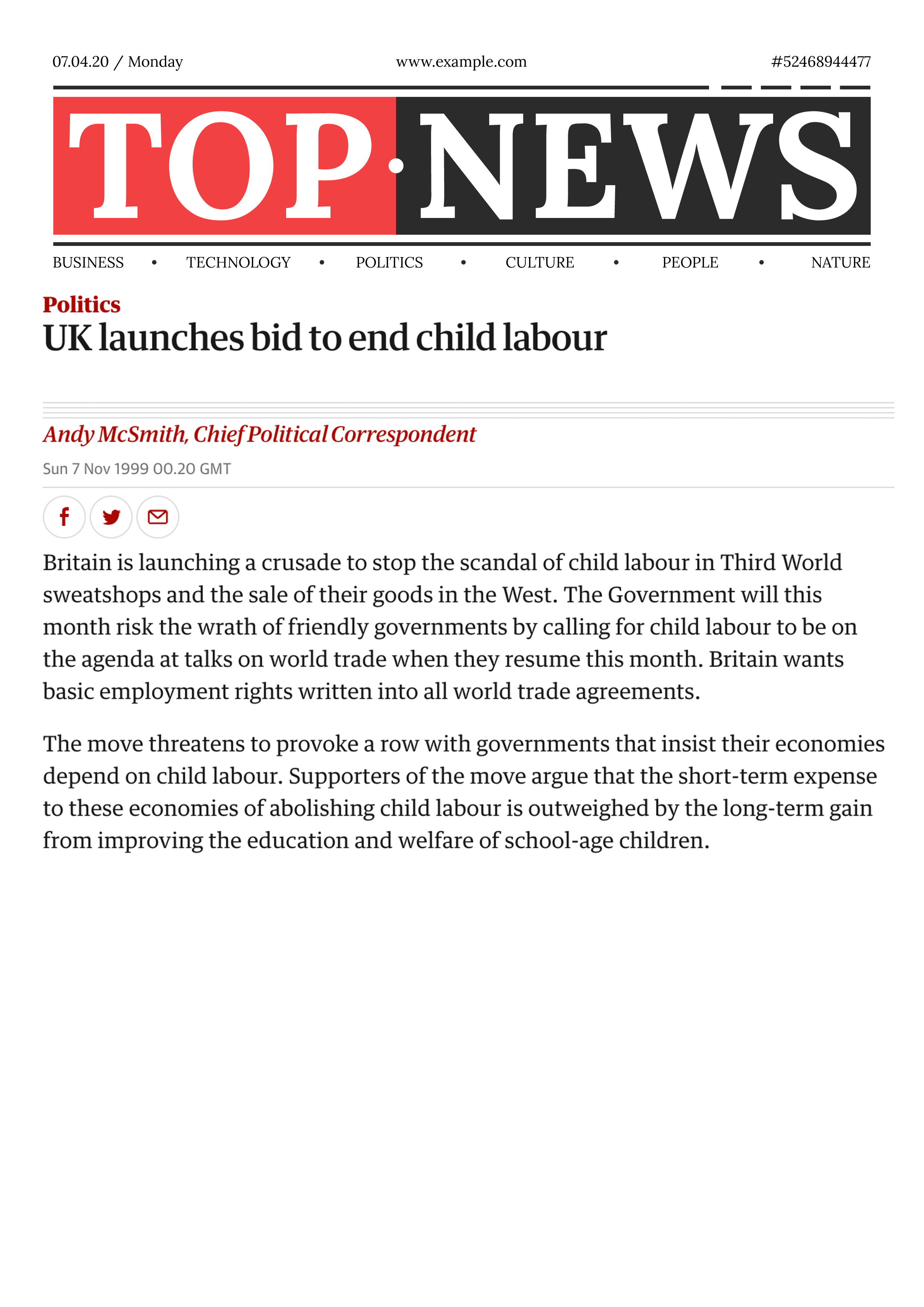
By comparing past and modern child labour in the UK, we found that the number of child labourers is much reduced and the laws are becoming more restrictive and protective of children, and the education and development of children are valued by society and the government. However, there are still some illegal trafficking and employment of child labour in UK. Through news search and data research, we found that the demand for child labour has not disappeared, but has just shifted from developed countries to developing countries with the transfer of labour force. There are currently 160 million child laborers in the world, mostly in developing countries (UNICEF, 2021), and the existence of child labour is due to several factors and it will take a concerted effort by all countries to eliminate illegal child labour.